





Here is the full text with the 3 most frequent words: tariff(s), import(ed), policy/policies in bold:
Today we bring you a detailed interpretation of the latest 2026 customs tariff policies, each of which is directly linked to your import costs and customs clearance efficiency.
First, the China-Canada tariff adjustments officially implemented on March 1:The 100% additional tariff imposed on oil cake and peas originating from Canada will be cancelled; the 25% additional tariff on aquatic products such as lobsters and crabs will also be removed.This means enterprises in food, aquatic products and agricultural products will see a clear drop in import costs and wider profit margins.At the same time, anti-dumping duties will be levied on Canadian rapeseed. Relevant product categories must strictly follow declaration rules to avoid customs clearance delays.
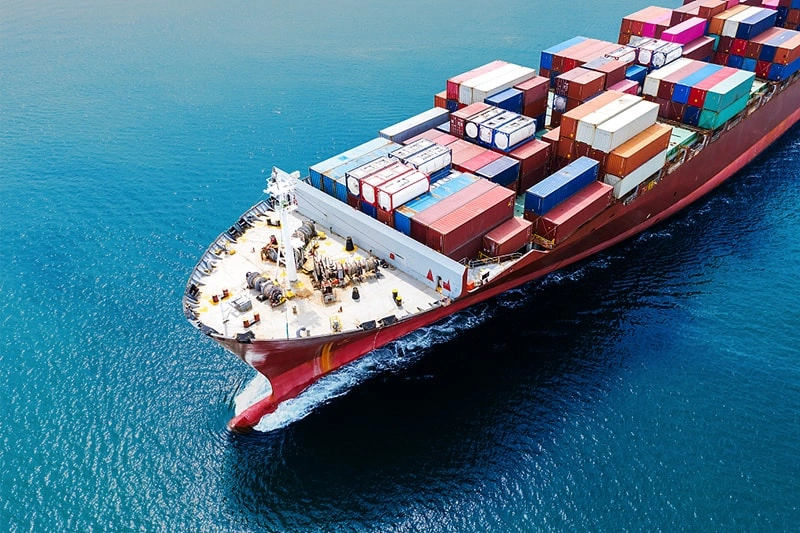
Starting January 1, 2026, China applies temporary import tax rates to 935 product items, which are generally lower than most-favored-nation tariff rates.The coverage is extensive, including:high-end manufacturing, mechanical and electrical parts, new energy materials, medical supplies, consumer goods, environmental protection and resource-related products, etc.Costs for enterprises importing equipment, raw materials and finished goods have been reduced to varying degrees.
Good news continues from free trade agreements:24 free trade agreements — including RCEP, China-South Korea, China-Australia and China-New Zealand — are further cutting tariffs.As long as you have complete documents and make compliant declarations, you can enjoy preferential agreement tariff rates.
In addition, China applies a 100% tariff-free policy on all tariff items for 43 least developed countries, supporting smoother trade with countries along the Belt and Road and related partners.Eight categories of goods — including wheat, cotton, chemical fertilizers and sugar — are under tariff quota administration.The in-quota tariff rate for key agricultural supplies such as chemical fertilizers is as low as 1%, greatly reducing enterprise costs.
Another major new policy in March:Duty-free policies for imported exhibits at national-level exhibitions have been significantly upgraded, including:the Canton Fair, CIFTIS, China-Africa Economic and Trade Expo, CAEXPO and China-Eurasia Expo.
Exhibits sold within the duty-free quota are exempt from import tariffs, import-link VAT and consumption tax.The accounting method has also changed from annual to exhibition-based, with higher quotas, wider coverage and simpler procedures.This is a major benefit for enterprises engaged in exhibition trade and sample import & export.