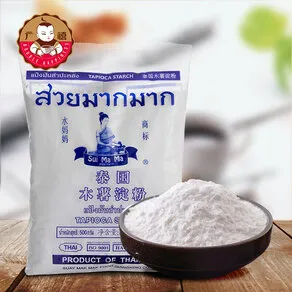





Tapioca starch re-export
Sincere Logistics has deep experience in the Southeast Asian agricultural product and food ingredient re-export channel. We provide full-chain logistics for tapioca starch re-export to Bangladeshi textile sizing plants, food processors, and paper mills, serving domestic traders and Thai raw material suppliers connecting South Asian processing capacity. With mature Thai agricultural product re-export customs clearance channels and bonded transit warehousing for starch raw materials at Qingdao and Ningbo ports, we deliver one-stop services including pickup at Bangkok Port, ocean freight to Chinese ports, bonded sorting and document exchange, onward shipment to Chittagong, destination clearance, and inland delivery to processing plants. We are familiar with rules of origin, re-export document requirements, and Bangladeshi food and industrial raw material tariffs for tapioca starch re-export, helping suppliers avoid origin mismatches, inspection detention, and irregular bonded operations.
Tapioca starch re-export to Bangladesh is a mainstream model as Southeast Asian agricultural supply chains flow into South Asia. Thai tapioca starch offers high whiteness and stable viscosity, and is widely used in textile sizing, food thickening, paper coating, and modified starch production. Bangladesh is a South Asian textile and food processing base, and mills and food plants have strong demand for tapioca starch. Bonded transit re-export optimizes tax burden and flexibly matches downstream factory orders. However, re-export logistics are challenging: tapioca starch is a bagged powdery material, vulnerable to moisture caking, bag rupture, and powder leakage, so moisture-proof, bag-breakage, and dust protection are required during storage and loading. Broken bags cause powder leakage and material loss, while moisture causes caking that affects downstream use. Meanwhile, Thai agricultural product re-export customs clearance spans three stages: Thai export, domestic bonded entry and exit, and Bangladeshi import. The document chain of certificate of origin, re-export bill of lading, invoice, and packing list must be fully consistent. Bangladeshi customs strictly review agricultural re-exports; irregular documents may be judged false origin declaration, triggering inspection and back-tax penalties. Many general logistics providers lack agricultural re-export experience and knowledge of bonded procedures and origin certificate rules, causing port detention. Sincere Logistics offers customized food ingredient re-export solutions with three-stage document chain review, full-course moisture and bag protection, and bonded transit warehousing for starch raw materials for relabeling, sorting, consolidation, and document flow.
For bulk orders of tapioca starch re-export, Sincere Logistics conducts pre-shipment re-export compliance checks, confirming origin certificate eligibility, Bangladeshi import tariffs and access conditions, and planning bonded transit procedures in advance. After shipmentnt from Bangkok Port, goods enter bonded transit warehousing for starch raw materials at Chinese ports for relabeling, sorting, consolidation and document exchange, then ship in batches to Chittagong according to Bangladeshi plant orders. Bonded transit buffering helps traders adjust shipment rhythm without large one-time arrivals, reducing inventory and capital pressure while enjoying bonded tax deferral. Whether for large ingredient traders with long-term stable re-export or small suppliers testing the Bangladeshi market, we tailor tapioca starch re-export logistics solutions to build a compliant, efficient and cost-optimized Southeast Asia to South Asia agricultural ingredient re-export channel.