




Sincere Logistics has deep experience in cross
Sincere Logistics has deep experience in cross-strait chemical fiber raw material re-export channels. We provide full-chain logistics services for Taiwan acrylic staple fiber re-exported to Vietnamese spinning mills and fabric factories, serving domestic chemical fiber traders and Taiwanese chemical suppliers connecting with Vietnamese textile capacity. With reliable cross-strait re-export customs clearance channels and bonded transit warehousing for chemical fiber resources at Ningbo and Shanghai ports, we deliver one-stop services including pickup from Taoyuan/Kaohsiung, Taiwan export declaration, ocean freight to Ningbo/Shanghai, bonded transit relabeling and sorting, onward ocean freight to Ho Chi Minh/Haiphong, Vietnam, Vietnamese destination clearance, and inland delivery to spinning mills. We are familiar with rules of origin, ECFA document requirements, re-export trade procedures, and Vietnamese textile raw material import tariff policies for Taiwan acrylic staple fiber re-export, helping raw material suppliers steadily serve Vietnamese textile production.
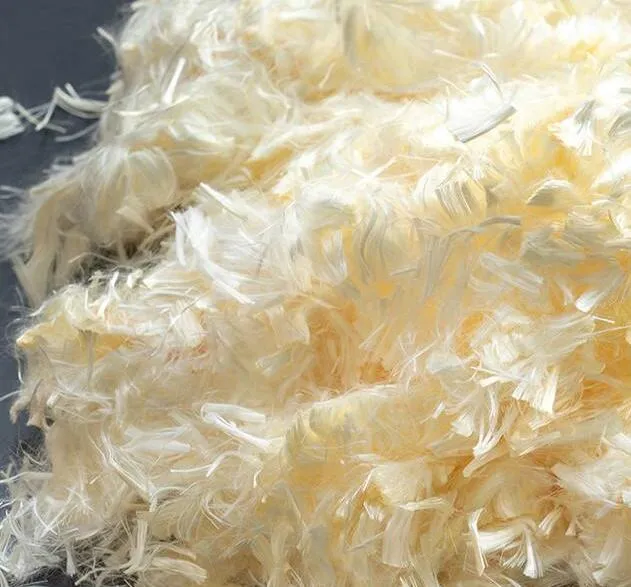
Taiwan acrylic staple fiber re-export to Vietnam is a mainstream business model amid cross-strait textile supply chain restructuring: Taiwan acrylic staple fiber is known for consistent quality and even dyeing, widely used in yarn, blankets, sportswear fabrics, and imitation plush products. Vietnam has become a major textile relocation hub with strong demand for acrylic raw materials from new spinning and fabric mills; direct sourcing from Taiwan is limited by shipping routes and settlement, making re-export via Chinese bonded warehouses a mature mainstream route. However, re-export logistics are challenging: acrylic staple fiber is fluffy and moisture-absorbent; moisture during transit causes yellowing, strength loss, and uneven dyeing, requiring strict moisture-proof packaging. Meanwhile, cross-strait re-export customs clearance involves three stages—Taiwan export declaration, Chinese bonded warehouse entry/exit, and Vietnamese import clearance; ECFA certificates of origin, re-export bills of lading, commercial invoices, and packing lists must form a consistent chain. Vietnamese destination customs strictly review chemical fiber re-exports; non-compliant documents risk being deemed false origin declarations, triggering anti-dumping investigations and heavy duties. Many ordinary logistics providers lack cross-strait re-export experience and familiarity with bonded warehouse procedures and ECFA certificate rules, causing port congestion and extra costs. Sincere Logistics offers customized chemical fiber re-export solutions with pre-shipment three-stage document chain review, full-course moisture protection, and bonded transit warehousing for chemical fiber for relabeling, sorting, consolidation, and document flow.
For bulk orders of Taiwan acrylic staple fiber re-export, Sincere Logistics conducts pre-shipment re-export compliance checks, confirming ECFA certificate eligibility, Vietnamese import tariff quotas and bonded warehouse operation qualifications, and planning bonded transit procedures in advance. After ex-factory pickup from Kaohsiung/Taoyuan, we arrange moisture-proof packaging reinforcement, efficiently complete Taiwan export declaration. Upon arrival at Ningbo/Shanghai, goods are first unloaded into bonded transit warehousing for chemical fiber for relabeling, sorting, consolidation and document flow, then shipped in batches to Ho Chi Minh/Haiphong according to Vietnamese spinning mill orders. Bonded transit buffer storage helps traders flexibly match downstream order rhythms without large one-time arrivals, reducing inventory and working capital pressure while enjoying bonded warehouse tax deferral. Whether for large chemical fiber traders with long-term stable re-export or small-to-medium textile suppliers testing the Vietnamese market, we tailor Taiwan acrylic staple fiber re-export logistics solutions to build a compliant, efficient and cost-optimized cross-strait–Vietnam chemical fiber raw material re-export channel.