





Food, Mechanical & Electrical, Chemical & Textile Import and Export Policy (English Version)
Since the start of the year, import and export policies for three core categories — food, mechanical & electrical products, chemical & textile goods — have been fully optimized. A host of major measures including tariff adjustments, customs clearance facilitation and sustained export tax rebates have been rolled out intensively, injecting strong momentum into foreign trade enterprises.
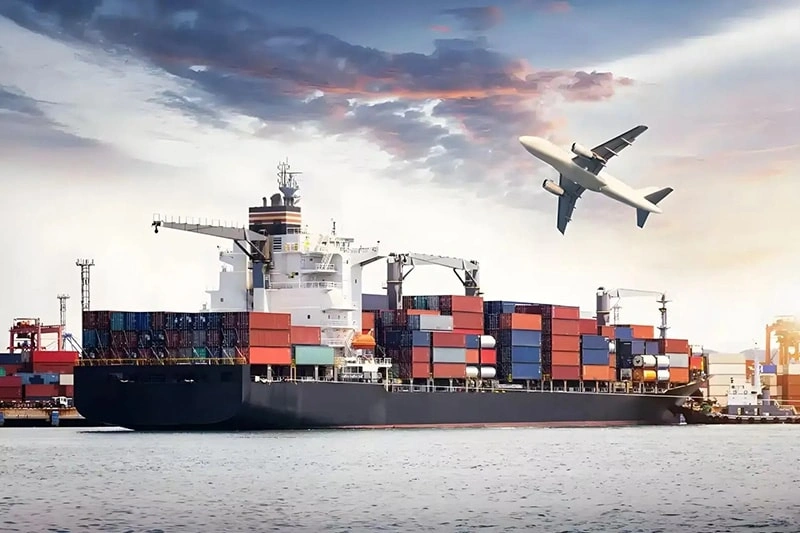
Focusing on the core demands of the three major categories, Sincere Logistics relies on three professional divisions: the food Customs Clearance Department, chemical & textile Customs Clearance Department, and mechanical & electrical Customs Clearance Department. With full-chain compliance capabilities and efficient customs clearance services, we help enterprises fully seize policy dividends and achieve barrier-free global trade.
I. Overview of Core Policies for Three Categories
(I) Food Import & Export: Optimized Supervision & Tariff Reduction, Balancing Safety and Efficiency
1. Tariff Benefits: Since January 1, 2026, provisional import tariff rates have been applied to 935 commodities. Tariffs on premium meat, seafood, fruits, nuts, special dietary foods and other food products have been greatly reduced, directly cutting import costs. Tariff quota management continues for grains such as wheat and corn to ensure stable supply of daily necessities.
2. Upgraded Supervision: General Administration of Customs Announcement No. 27 of 2026 officially released the supporting catalogue for the Administrative Measures for the Registration of Overseas Manufacturers of Imported Food (to be implemented on June 1, 2026). 17 major food categories, including meat and meat products, bird’s nest products, aquatic products and dairy products, are included in the officially recommended registration scope. Meanwhile, the registration process has been upgraded with a list-based fast-track registration channel to shorten the filing cycle.
3. Streamlined Clearance: The 2026 cross-border trade facilitation initiative covers 45 cities. Fresh food enjoys differentiated supervision and immediate inspection & release. The single customs window supports self-service printing of filings and quarantine certificates, raising customs clearance efficiency by over 30%.
(II) Mechanical & Electrical Import & Export: Dual Guarantees of Tariff Reduction & Tax Rebates, Empowering High-end Manufacturing Exports
1. Stable Tariffs and Tax Rebates: Provisional import tariffs on key components such as high-end equipment, CNC machine tools, robots, photovoltaic and lithium battery equipment have been lowered. The provisional rates for miniature motors and other mechanical & electrical goods have been cancelled and restored to MFN rates.
Issued by the Ministry of Finance, Announcement No. 11 of 2026 extends the export tax rebate policy. Mechanical and electrical products (including electric vehicles, home appliances and construction machinery) enjoy full tax rebates (mainly at 13%), stabilizing corporate cash flow.
2. Innovative Customs Clearance: Integrated port-local supervision, advance declaration, two-step declaration and aggregated tax payment have been fully promoted. Inspection and supervision procedures for complete large-scale equipment and used mechanical & electrical products have been simplified. Exempt 3C certification and pre-shipment inspection services are efficiently processed to accelerate the entry of high-end mechanical & electrical equipment.
3. FTA Dividends: Under free trade agreements including RCEP, China-Australia FTA and China-Congo (Brazzaville) FTA (effective on April 1), further tariff reduction and zero-tariff treatment are granted to mechanical and electrical products. The Three New Strategic Exports (new energy vehicles, lithium batteries, photovoltaic products) receive targeted support to tackle global carbon barriers and certification barriers.
(III) Chemical & Textile Import & Export: Raw Material Tariff Cut & Green Compliance, Improving Full-chain Efficiency
1. Chemical Products: Provisional import tariffs on basic chemical raw materials, environmental protection additives and high-end new materials have been reduced. A low in-quota tariff rate of 1% applies to urea and compound fertilizers. Phosphorus chemicals and certain hazardous chemicals are subject to export license control to strictly limit the export of high-energy-consuming and high-polluting chemical products. Meanwhile, the packaging, declaration and inspection procedures for hazardous chemicals have been optimized to enhance clearance safety.
2. Textile Products: Import tariffs on cotton, high-grade fabrics and textile machinery have been lowered. The sliding-scale tariff for out-of-quota cotton stabilizes raw material costs. The full export tax rebate policy for textiles and garments is maintained. Gradual zero-tariff policies under RCEP and China-Cambodia FTA benefit exports of textile products to Southeast Asian and African markets.
3. Green Compliance: Support for exports of recycled fibers and low-carbon textiles has been strengthened. We align with EU CBAM and other carbon border adjustment policies, helping enterprises break through environmental trade barriers and seize opportunities in green chemical & textile trade.