





Background of the Situation
I. Background of the Situation
Following the large-scale military strikes launched by the United States and Israel against Iran, conflicts in the Middle East have escalated sharply, and the security risks of globally critical shipping lanes such as the Red Sea and the Strait of Hormuz have risen significantly.
The US and the UK have issued maritime risk warnings, designating the Gulf of the Middle East as a high-risk area that covers the Persian Gulf, the Gulf of Oman, the northern Arabian Sea and the Strait of Hormuz.
The Baltic and International Maritime Council (BIMCO) has warned that vessels with commercial ties to the US and Israel may become targets of attacks, and other vessels may also be misidentified.
The Islamic Revolutionary Guard Corps of Iran has announced a ban on all vessels transiting the Strait of Hormuz, which is now effectively closed, posing a severe test to the world's energy and trade corridors.
II. Responses of Shipping Companies
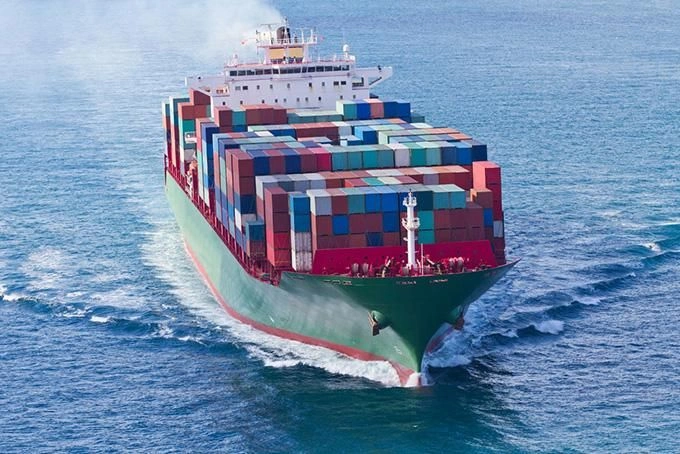
Faced with the sudden situation, the world's top five shipping giants and many other shipping companies have quickly issued response measures, with core actions focusing on route adjustment and cost pass-through.
|
Shipping Companies |
Core Measures |
|
Maersk |
Suspend all transits via the Bab el-Mandeb Strait through the Suez Canal; reroute the core shipping lines ME11 and MECL around the Cape of Good Hope in full; services calling at ports in the Arabian Gulf will be delayed or rerouted. |
|
CMA CGM |
Order all vessels in and bound for the Gulf to proceed to safe havens immediately; suspend Suez Canal transits and reroute all vessels around the Cape of Good Hope. |
|
Hapag-Lloyd (HPL) |
Suspend all vessel transits through the Strait of Hormuz and reroute its IMX service around the Cape of Good Hope; services calling at ports in the Arabian Gulf may be delayed or rerouted. |
|
COSCO Shipping |
Instruct vessels that have entered the Persian Gulf to proceed to safe waters upon completion of operations; order vessels bound for the Persian Gulf to sail at reduced speed or standby at sheltered areas. |
|
Mediterranean Shipping Company (MSC) |
Suspend freight bookings to and from the Middle East globally and direct all vessels in and bound for the Middle East to safe havens. |
|
Japanese Shipping Companies (MOL/K-line/NYK) |
Suspend operations via the Strait of Hormuz, keep vessels in safe waters, and refrain from dispatching vessels through the strait until the situation stabilizes. |
|
ZIM Integrated Shipping Services |
Maintain normal operations at Israel's two major maritime ports; the transportation of dangerous goods may be adjusted in the short term in accordance with the requirements of the Israeli government. |
CMA CGM: Impose an Emergency Conflict Surcharge (ECS) starting from March 2nd, at a rate of USD 2,000 per TEU for 20-foot containers, USD 3,000 per FEU for 40-foot containers, and USD 4,000 per container for reefer/special containers. The surcharge applies to import and export cargoes to and from multiple Middle East countries including Iraq, Bahrain, Kuwait and Yemen.
Hapag-Lloyd (HPL): Levy a War Risk Surcharge (WRS) starting from March 2nd, at a rate of USD 1,500 per TEU for general containers and USD 3,500 per container for reefer containers and special equipment. The surcharge is applicable to orders issued on and after March 2nd and relevant in-transit cargoes yet to be unloaded.
III. Impacts and Risk Warnings
1. Escalated supply chain shocks: As the world's most important oil and trade corridor, the prolonged closure of the Strait of Hormuz will directly drive up shipping costs and extend voyage cycles, putting the stability of the global supply chain under severe strain.
2. Soaring insurance costs: BIMCO predicts that marine insurance premiums in the Middle East region may surge several times, and some vessels associated with the US and Israel may even face a shortage of available insurance coverage.
3. Mounting pressure on alternative routes: A large number of vessels rerouting around the Cape of Good Hope will lead to a global shortage of shipping capacity and container space, pushing freight rates further upward.
IV. Recommendations for the Situation
1. Monitor developments closely: Track shipping companies' announcements, route adjustments and surcharge details in real time, and adjust shipping plans promptly.
2. Optimize transportation solutions: Prioritize alternative routes such as the Cape of Good Hope, or consider multimodal transport methods like the China-Europe Railway Express.
3. Strengthen risk management and control: Maintain close communication with shipping companies and insurance institutions, assess the risks of cargo transportation, and adjust trade terms and insurance plans when necessary.
4. Stock up in advance and maintain communication: For cargoes bound for or coming from the Middle East and the Red Sea, stock up in advance and communicate the delivery cycle with customers to avoid the risk of breach of contract.
V. What We Can Do
Against the backdrop of the sudden changes in the Middle East situation, disrupted shipping routes, suspended orders and increased risks of cargo detention, Qingdao Sincere International Logistics Co., Ltd. can provide one-stop emergency handling services including cargo return and bonded warehousing for Middle East shipping routes on a full-process agency basis, helping enterprises reduce losses and safeguard capital security.
We offer professional full-process agency services for the return of exported cargoes, covering return application, customs declaration and inspection, international back-haul transportation, port customs clearance, cargo connection and warehousing disposal. For emergencies such as customer rejection, cancelled sailings and cargo detention at the destination port, we can complete return procedures quickly and in compliance with regulations, simplify processes, shorten timelines, and minimize additional costs and customs clearance risks for enterprises.
Meanwhile, relying on our company's 60,000 square meters of bonded warehouse resources, we provide flexible solutions such as bonded warehousing, transit temporary storage, deferred customs clearance, and re-export after repair. Cargo entry into the bonded zone is deemed as being outside the territory, exempting enterprises from paying customs duties and deposits. This solution is suitable for buffered storage, sorting and consolidation, packaging replacement, inspection and maintenance of cargoes before re-transportation or re-export, effectively addressing issues such as shipping route suspension, booking suspension and customs clearance obstacles, and serving as a safe, compliant and low-cost logistics "safe haven" for enterprises.
Whether the cargo is in transit, arrived at the port or pending return, Qingdao Sincere International Logistics Co., Ltd. can provide one-on-one emergency solutions, and escort your Middle East trade with professional return and bonded services.